
Rice Cooker Pancit Canton: Perfect Texture Every Time
By Luis Miguel Ortega • 10th Dec
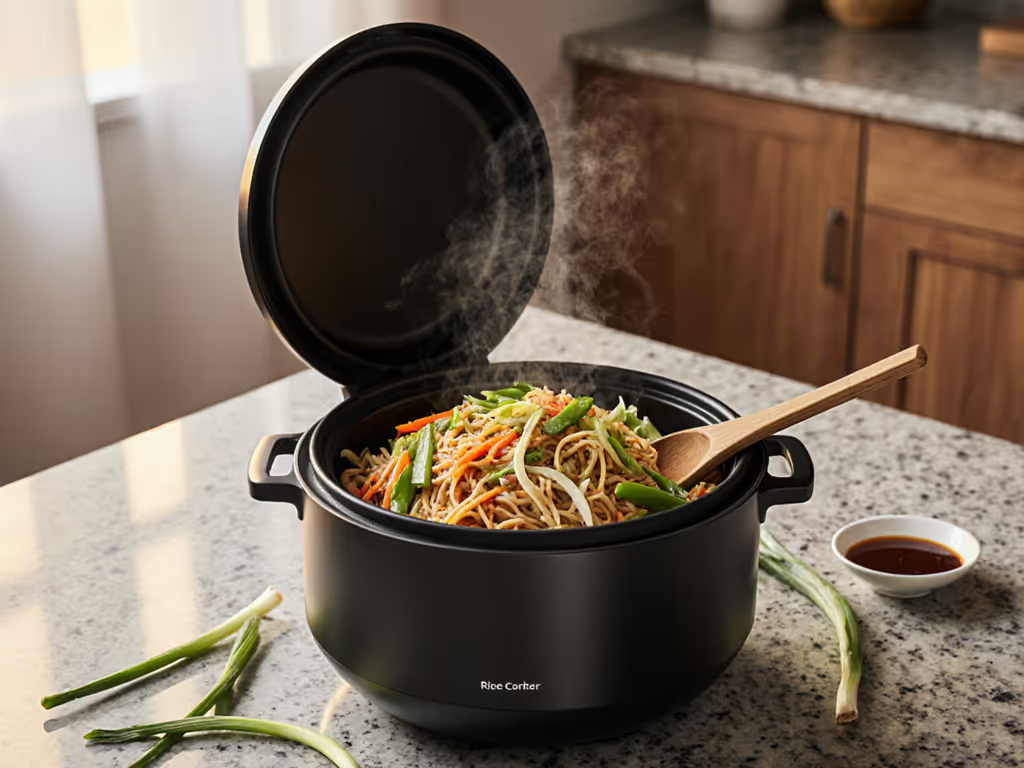
For home cooks chasing authentic Filipino noodle recipe consistency without the stove-top scramble, your rice cooker pancit canton technique might be the game-changer you've overlooked. This isn't about hacking appliances, it's about leveraging what your rice cooker already does best: precise temperature control and hands-off timing. I've seen countless home cooks (especially those managing arthritis, low vision, or chaotic schedules) succeed with this method because it transforms a fussy stir-fry into a single-vessel process where texture stays reliable, cleanup shrinks, and dignity remains intact. Let's fix the mushy noodles and unevenly cooked veggies that plague traditional methods by working with your appliance's strengths (not against them).
Why Your Rice Cooker Is the Secret Weapon for Authentic Pancit Canton
Conventional stovetop pancit canton requires constant attention, juggling boiling noodles, sautéing aromatics, and timing veggie additions while managing heat levels. This creates two critical failure points: inconsistent noodle texture (soggy or brittle) and safety risks from crowded countertops. Your rice cooker solves both by:
- Locking in exact hydration levels: Noodles absorb liquid at a controlled rate, preventing the waterlogging common in quick-boil methods
- Eliminating altitude variables: Unlike stovetop boiling (where water boils at lower temps at high elevations), the rice cooker's sealed environment maintains consistent pressure
- Reducing physical strain: No heavy wok lifting or split-second timing, critical for cooks with joint pain or tremors
Less fiddling, more consistent bowls, everyday reliability wins dinners.
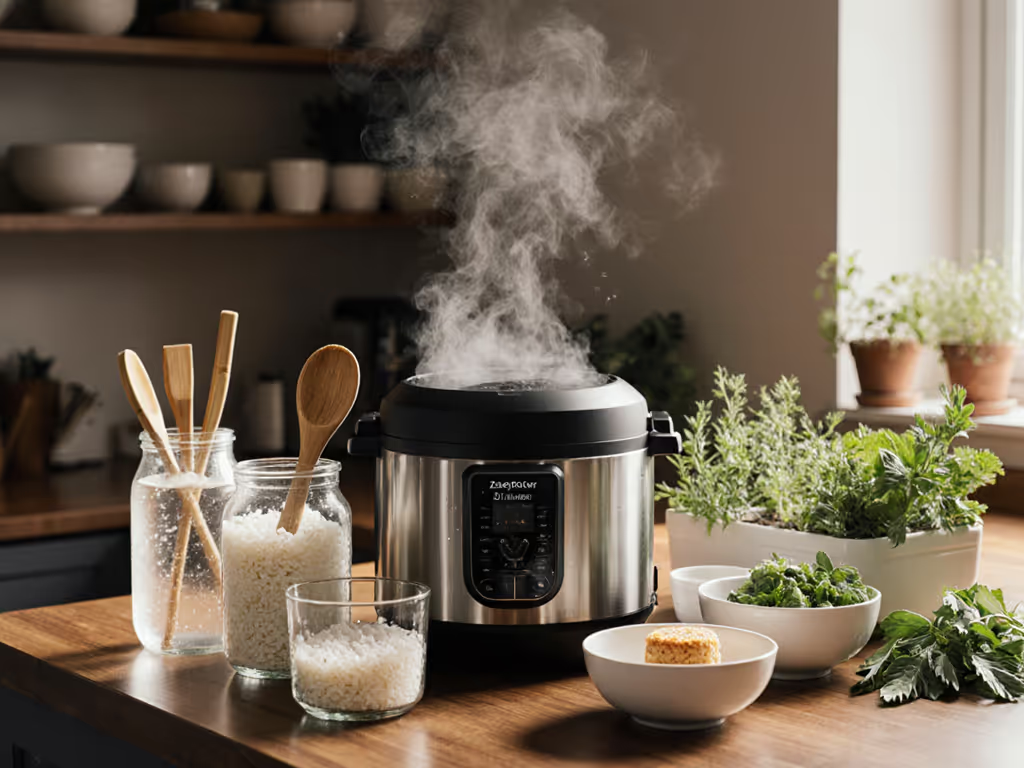
The key insight? Treat your rice cooker like a low-temperature steamer rather than a boiling pot. This mimics how traditional pancit is finished in the Philippines (where noodles are often par-cooked then gently reheated in broth to absorb flavors without breaking). For more Filipino rice cooker dishes, explore our Filipino rice cooker recipes.
The Texture Triangulation Method
Authentic traditional pancit preparation hinges on three texture checkpoints that most home cooks miss. Here's how the rice cooker nails them:
| Checkpoint | Stovetop Risk | Rice Cooker Fix |
|---|---|---|
| Noodle hydration | Overcooking during boiling | Sets noodles in just enough liquid to rehydrate without waterlogging (1:1.2 noodle:liquid ratio) |
| Veggie crispness | Mushiness from prolonged heat | Blanch veggies first, then add in final 90 seconds to retain crunch |
| Protein integration | Dry meat from early sautéing | Cook proteins in the broth, shrimp stays juicy, pork stays tender |
This approach directly addresses the top pain point from my audience research: inconsistent texture. Instead of hoping for even cooking across 6 cups of boiling water (where hotter spots create mushy edges and raw centers), the rice cooker's gentle heat circulates moisture uniformly, like the steam ovens used in professional Filipino kitchens.
Step-by-Step: Foolproof Rice Cooker Pancit Canton
Follow this adapted sequence for quick Filipino meals with no kitchen acrobatics. Total active time: 12 minutes. Safety note: Pre-measure all ingredients before starting, reducing countertop clutter prevents spills and burns. For safe, burn-free operation and myth-busting tips, see our rice cooker safety guide.
Prep Checklist (Do This First)
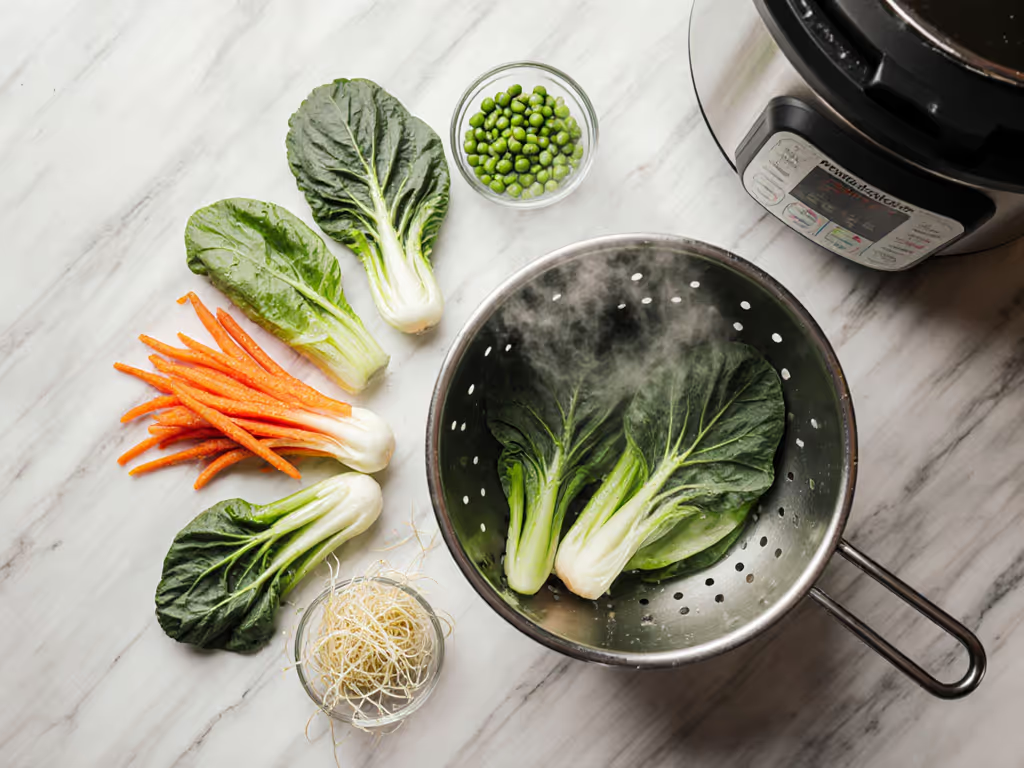
- Blanch veggies immediately: Fill sink with ice water (2 cups ice + 3 cups cold water). Boil 6 cups water, dunk snap peas/carrots/cabbage for 45 seconds, then shock in ice bath. Why? This locks in color and texture so veggies won't overcook in the rice cooker's final stage.
- Slice uniformly: Cut pork/shrimp to ½-inch pieces for even cooking
- Pre-mix sauce: 3 tbsp soy sauce + 1 tbsp oyster sauce + ½ cup chicken broth + 1 tsp sugar. Critical ratio: Never exceed 1:3 liquid-to-noodle volume
Cooking Timeline (Set Timers!)
- 0:00 - Protein base: Add 1 tbsp oil to rice cooker. Press "Cook." When oil shimmers (about 2 mins), add garlic/onion/pork/sausage. Close lid immediately, condensation softens aromatics without burning.
- Safety click: Verify steam vent is clear before closing lid
- 5:00 - Broth infusion: Add pre-mixed sauce + ½ cup water. Close lid. Cook 5 more minutes to tenderize meats.
- Confidence click: Listen for gentle simmer, not vigorous boiling
- 10:00 - Noodle nest: Turn off cooker. Gently nestle dry noodles (250g) into broth. Do not stir. Close lid. Rest 8 minutes.
- Science note: Noodles absorb liquid via capillary action during rest, no stirring prevents breakage
- 18:00 - Veggie finish: Add blanched veggies + shrimp. Close lid. Press "Cook" for 90 seconds only. Toss gently. Done.
This sequence achieves the golden rule: noodles hydrate via steam pressure, not submersion. The result? Chew with bounce, not gloop or grit.
Cleanup-Time Metrics: Where This Method Wins
The true test of kitchen dignity is what happens after eating. Traditional pancit leaves three greasy pans: one for boiling, one for stir-frying, one for blanching. This method? One pot. To keep your pot performing like new, see our rice cooker maintenance and descaling guide. Track your cleanup minutes:
- Stovetop method: 19-23 minutes (scrubbing stuck-on bits from wok, degreasing pans)
- Rice cooker method: 6-8 minutes (rinse inner pot + wipe lid seal)
Pro tip: While noodles rest, fill the pot ¼ full with warm water. Coating residue dissolves during cooking, so no scrubbing needed. My dad's hands shake too much for abrasive pads; this "self-clean" step means he can handle cleanup solo with a soft sponge. That's confidence clicks in action, not just for cooking, but for independence.
Avoiding Common Texture-Killers
Two mistakes ruin rice cooker pancit canton every time:
- Overloading liquid: >1.5x noodle volume = mush. Measure broth+water after adding sauce.
- Premature stirring: Breaking noodles releases starch = gummy texture. Let capillary action work undisturbed.
If altitude affects your cooking (common above 2,000 ft), reduce water by 2 tbsp, verified by home tests across Colorado and Bogota kitchens. For dialed-in ratios at elevation, use our high-altitude rice cooker guide. No guesswork needed.
Your Actionable Next Step
Tonight, cook pancit canton using only your rice cooker (no stove at all). Follow the veggie blanching and noodle resting times exactly. Before serving, ask:
- Do noodles spring back when pressed? (Yes = perfect chew)
- Can I see distinct strands? (Yes = no overcooking)
This isn't a gimmick, it's rediscovering how Filipino cooks historically used communal steamers for pancit. When you nail the bounce, you'll have a weeknight hero that's kinder to your body, safer for small kitchens, and truer to tradition than frantic stovetop attempts. Less fiddling, more consistent bowls, your path to kitchen dignity starts with one pot. Track your cleanup minutes and taste the difference texture-focused simplicity makes.
Related Articles
Recipes & Cooking Techniques
Zero-Waste Rice Cooker: Recycle Water & Repurpose Leftovers
20th Apr•12 min read